Designing the Boundary — Human Dignity That Design Must Uphold in an Era of Acceleration
On May 9, the 2026 KICD Spring International Conference and International Invitational Exhibition was held at Gachon University under the theme "Borders," exploring the meaning of boundaries across design, culture, and society. Professor Cathy Lee of Hongik University IDAS delivered a keynote speech titled "Designing the Boundary," questioning what design must safeguard as technology penetrates deeper and faster into human life.
Background
2026 Keynote — Designing the Boundary ▲ Keynote Address by Professor Cathy Lee: "Designing the Boundary" — The Evolving Role of Design in Rapidly Changing Technological, Cultural, and Socioeconomic Contexts
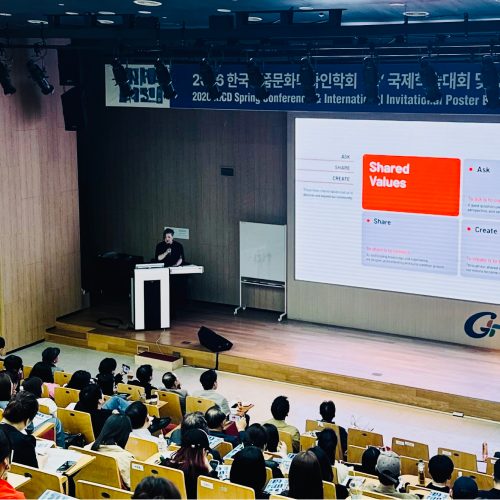
Professor Cathy Lee opened her address by redefining design not as a matter of "what we make," but "what we decide." While design has always produced artifacts, she noted that the deeper inquiry lies in what design permits and what it refuses. Establishing boundaries, she emphasized, is not an act of limitation, but an act of "authorship"—declaring that certain values matter more than others and inscribing that conviction into the world.
Insight
Design as the Mediator — Between Technology and Human Dignity ▲ Design as a Mediator Between Technology and Human Dignity — Setting the Terms, Embodying Values, and Holding the Boundary
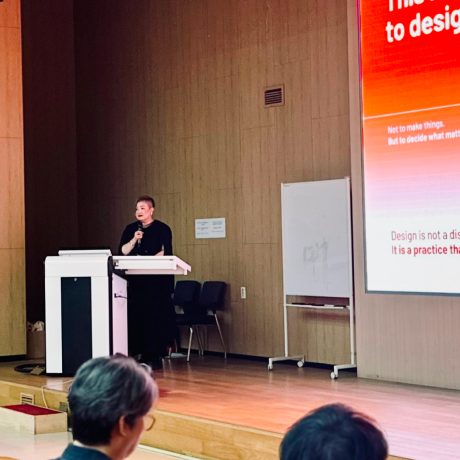
The core thesis of the speech was a clear declaration: "The challenge is no longer technological; it is directional." As AI becomes increasingly expansive, autonomous, and intimately woven into daily life, the essential question shifts from "what AI can do" to "what it should do, and from whose perspective." Design, she argued, is the very discipline that guards this boundary.
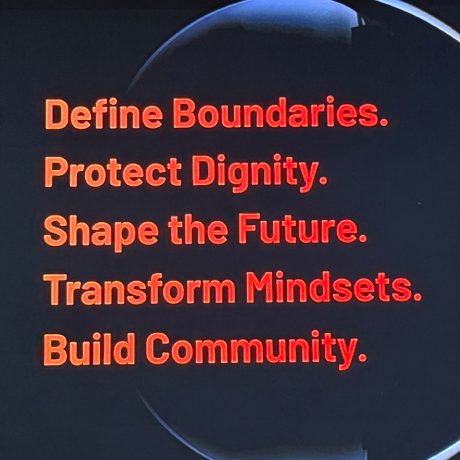
Traditionally, design has been understood as the creation of outputs and deliverables. Today, however, it is being repositioned as a critical discipline that shapes the human future, mediates complex systems, and defines the ethical frontiers of innovation. Professor Cathy Lee diagnosed our current reality as an "era of expanding capabilities," where AI and emerging technologies exhibit unprecedented expandability, autonomous judgment, and intimate closeness to human existence. Consequently, the center of gravity in design is shifting: from "Making Artifacts, Designing Products" to "Shaping the Future, Mediating Systems." The coordinates of design are moving from the hands that craft to the judgment that directs. This philosophy translates into principles, and ultimately into real-world applications. Serving as a mediator between technology and human dignity, design must set the terms, embody values, and hold the boundary. The constant question to ask is: "Does this affirm human life, or does it merely optimize it?" Citing the "Designed with Human Dignity" project conducted in collaboration with Hyundai Motor Group, she illustrated how principles of Respect, Care, Co-Existence, and Trust are implemented within industrial frameworks. In closing, she emphasized a "mindset" that transcends methodology. While tools can be transferred and methods can be taught, navigating a world that struggles even to name its own crises demands more than a toolkit. Mindset is more than an attitude—it is the catalyst for transforming the world, bridging generations, and opening new pathways for leadership.
Other Articles

Professor Cathy Lee of Hongik University IDAS Concludes "Korea–Finland Design Talk 2026," Co-Organized with the Embassy of Finland in Seoul
See Project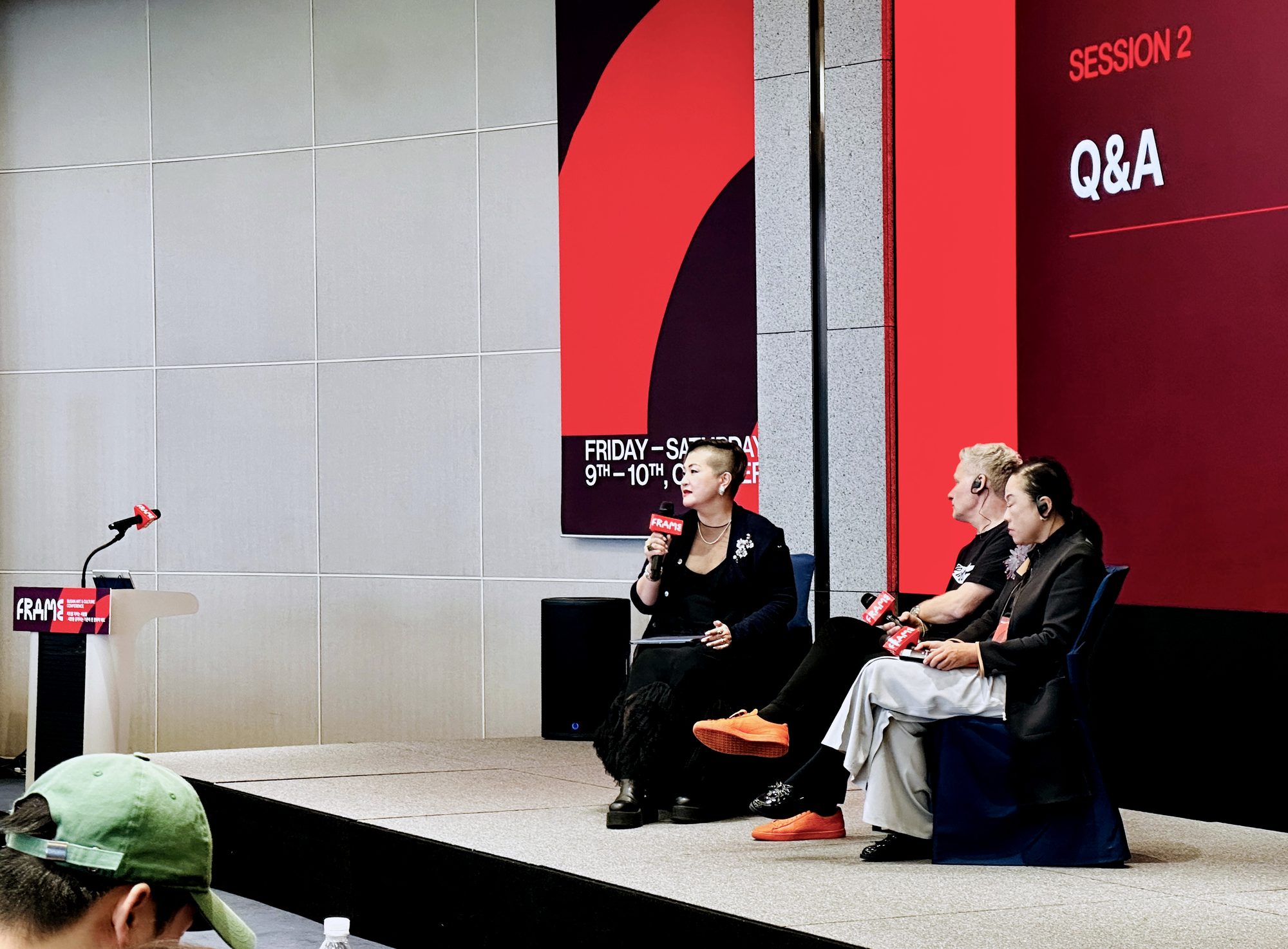
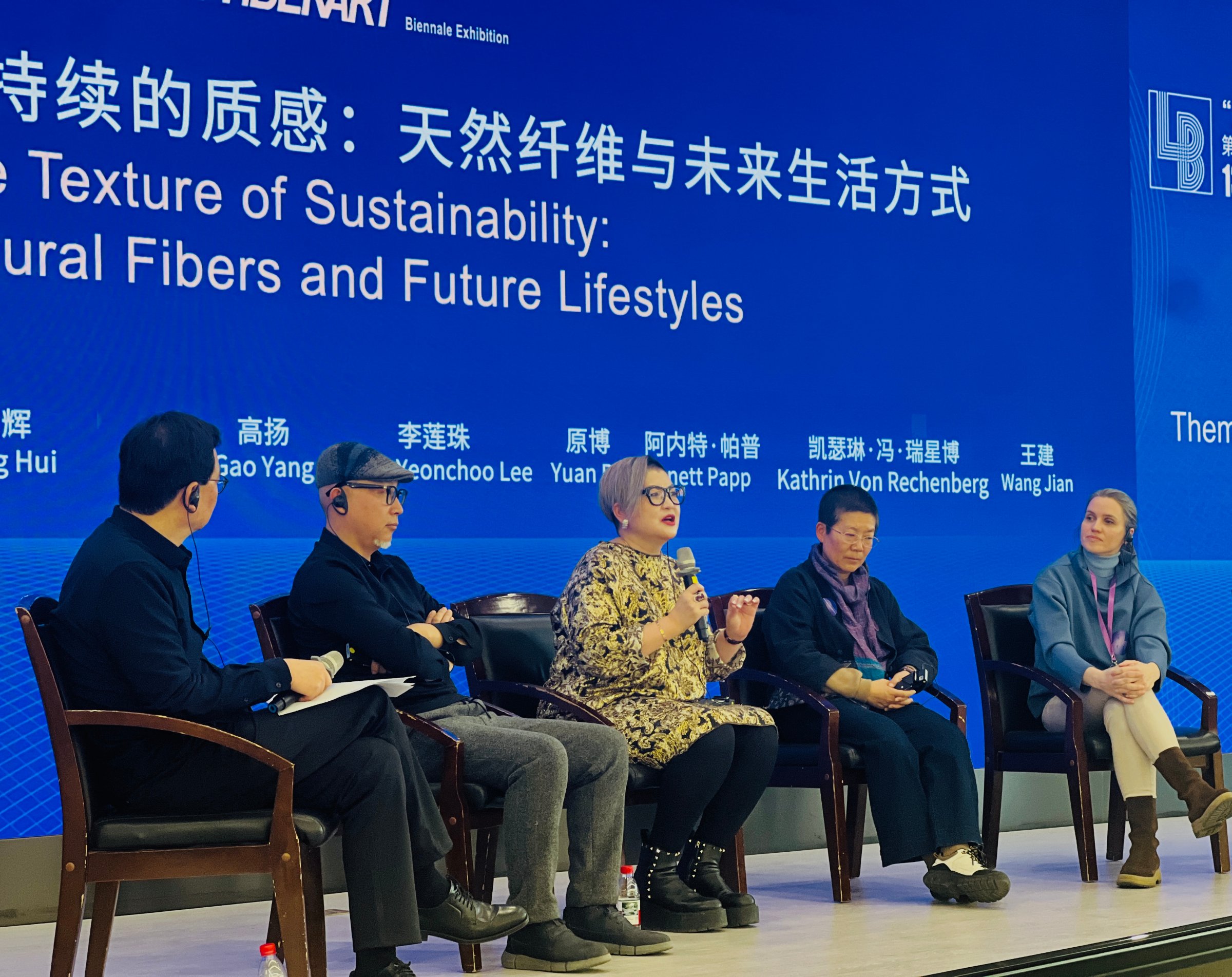
Professor Cathy Lee Participates in Sustainability Panel at the 13th “From Lausanne to Beijing” International Fiber Art Biennale
See Project